Some of the largest moves in forex, gold and crypto happen in the seconds after a scheduled economic release. Knowing what is coming, and deciding in advance what you will do, is the difference between a managed event and a blown account.
The big three
CPI (inflation)
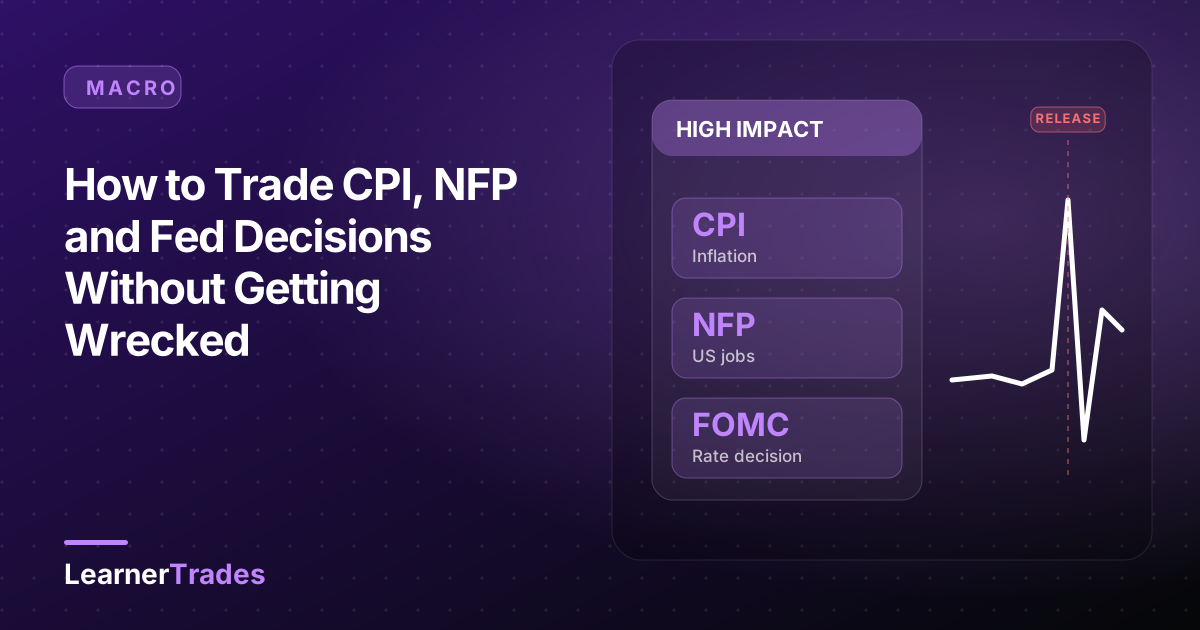
The Consumer Price Index measures how fast prices are rising. A hotter-than-expected reading raises the odds of tighter policy, usually lifting the dollar and pressuring gold and risk assets; a cooler reading often does the opposite. What matters is the surprise versus the forecast, not the number itself.
NFP (non-farm payrolls)
The US jobs report arrives on the first Friday of most months. Strong employment can raise rate expectations and the dollar; weak data does the reverse. Revisions to prior months can matter as much as the headline.
FOMC decisions
The Federal Reserve meets eight times a year. Markets react to the rate decision, the statement wording and the press conference, which often moves price more than the decision itself.
What happens to price
- Spreads widen and liquidity thins just before and after the release.
- Slippage can fill stops far from the intended price.
- Whipsaws are common: price spikes one way, reverses, then finds its real direction minutes later.
Three sensible approaches
- Stand aside. Close or avoid positions into the release and trade the aftermath once spreads normalise. This is the simplest and most underrated choice.
- Reduce size and widen the stop. If you hold a position through an event, cut the size so that a wider stop still risks only your normal percentage.
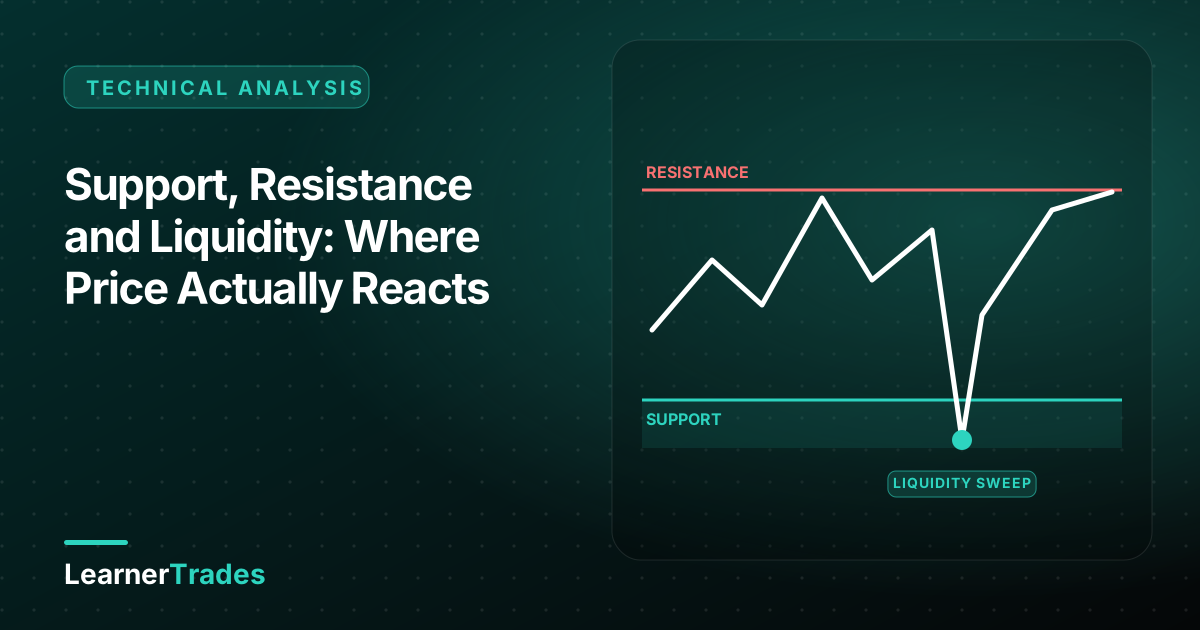
- Trade the reaction, not the headline. Wait for the first spike to play out, then look for structure (a break and retest, a sweep of liquidity) before acting.
Build it into your plan
Put an economic calendar in your daily routine. Mark high-impact events for your pairs, decide the day before whether you will be flat, reduced or active, and stick to it. See how this fits into a complete trade plan.
Related guides
- What moves gold prices
- Forex sessions and best times to trade
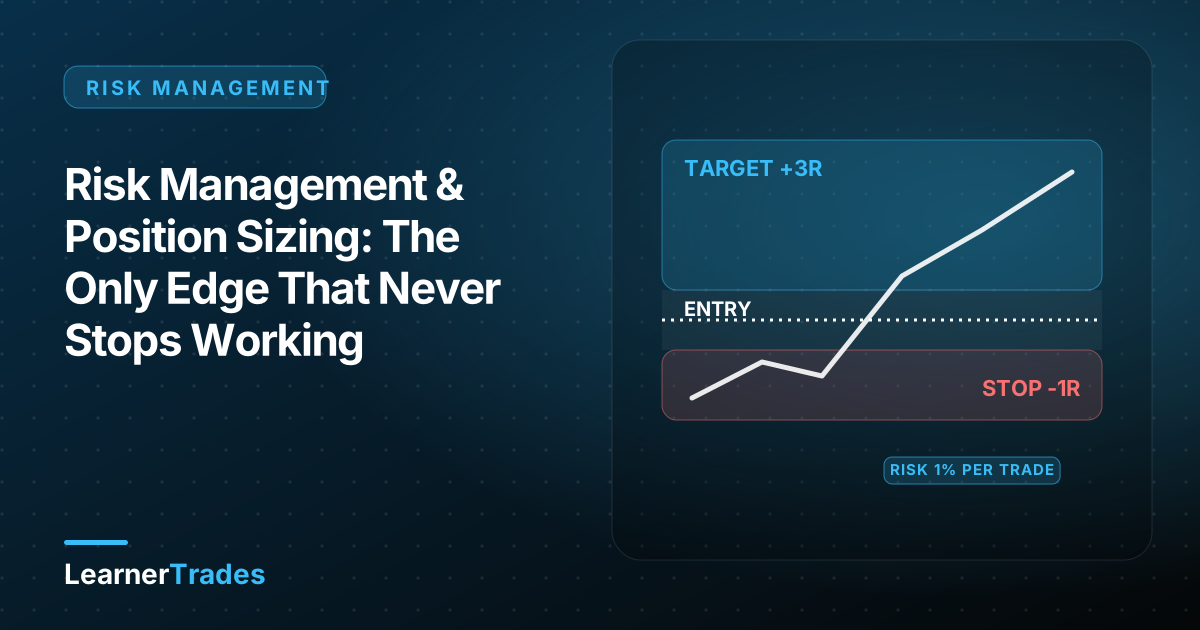
- Risk management and position sizing
- How to write a trade plan
Sources and further reading
- Federal Reserve: FOMC meeting calendars
- U.S. Bureau of Labor Statistics: Consumer Price Index
- U.S. Bureau of Labor Statistics: The Employment Situation (non-farm payrolls)
- U.S. Bureau of Labor Statistics: release schedule
These are independent official or research sources. Learner Trades is not affiliated with them.
Frequently asked questions
What is NFP?
Non-farm payrolls is the US monthly jobs report, usually released on the first Friday of the month at 8:30 a.m. Eastern Time. It is one of the most market-moving releases for the dollar, gold and indices.
How often does the Fed meet?
The Federal Open Market Committee (FOMC) holds eight scheduled meetings a year, with a statement and rate decision followed by a press conference.
Should beginners trade news releases?
Most beginners are better off avoiding the first minutes after major releases: spreads widen, slippage rises and price can whipsaw both ways before settling. Standing aside is a legitimate strategy.