Trading Gold and Crypto: Volatile Markets Without Blowing Up
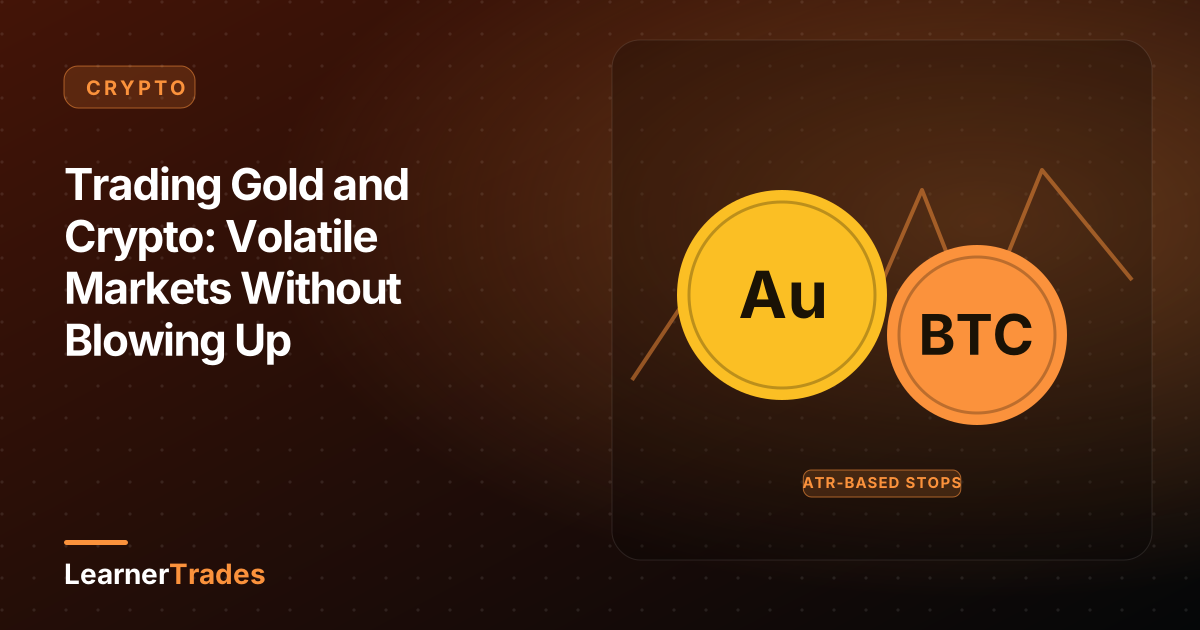
Gold and Bitcoin move several times faster than EUR/USD. The structure still works — but the sizing, the stop placement and the session timing all have to change. Here is how we adapt.

Ethereum is the second-largest crypto asset and the base layer for most decentralised applications. It generally follows Bitcoin's direction but with larger swings.
Because ETH is a higher-beta market, we reduce size relative to our Bitcoin ideas and respect the same rules: structure first, invalidation level defined, no oversized leverage.
Prices are indicative and for information only. Your broker's prices may differ.
ETH is strongly correlated with BTC; the ETH/BTC ratio shows relative strength.
Usage of smart contracts, DeFi and layer-2 networks affects demand for ETH.
Staked ETH reduces liquid supply, and fee burning can offset issuance.
Regulated-product flows and regulatory headlines add volatility.
Like all crypto it trades 24/7; moves often align with the US session and macro data.
Usually yes: ETH tends to have a higher beta, moving further than BTC in both directions.
It shows how Ethereum is performing relative to Bitcoin. A rising ratio means ETH is outperforming.
High leverage on a volatile asset is the fastest way to be liquidated. If you use leverage at all, keep it low and risk only a small percentage of your account per trade.
Gold and Bitcoin move several times faster than EUR/USD. The structure still works — but the sizing, the stop placement and the session timing all have to change. Here is how we adapt.
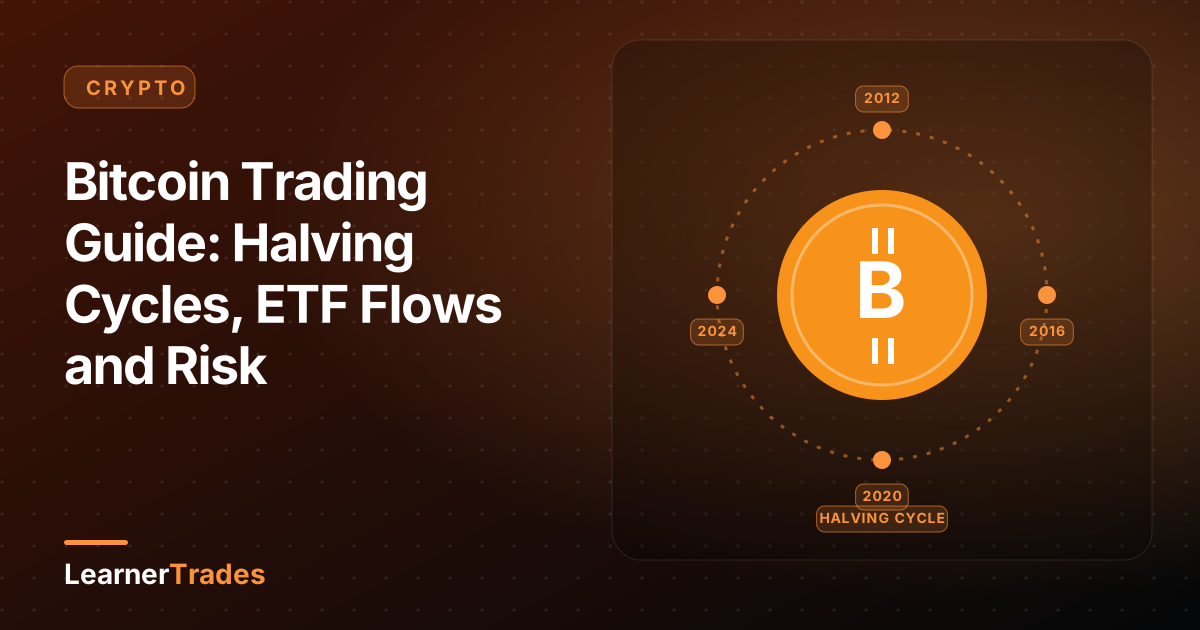
Bitcoin trades 24/7 and punishes over-leverage. Understand liquidity, the halving cycle, ETF flows and funding rates, then build a risk plan that survives the swings.
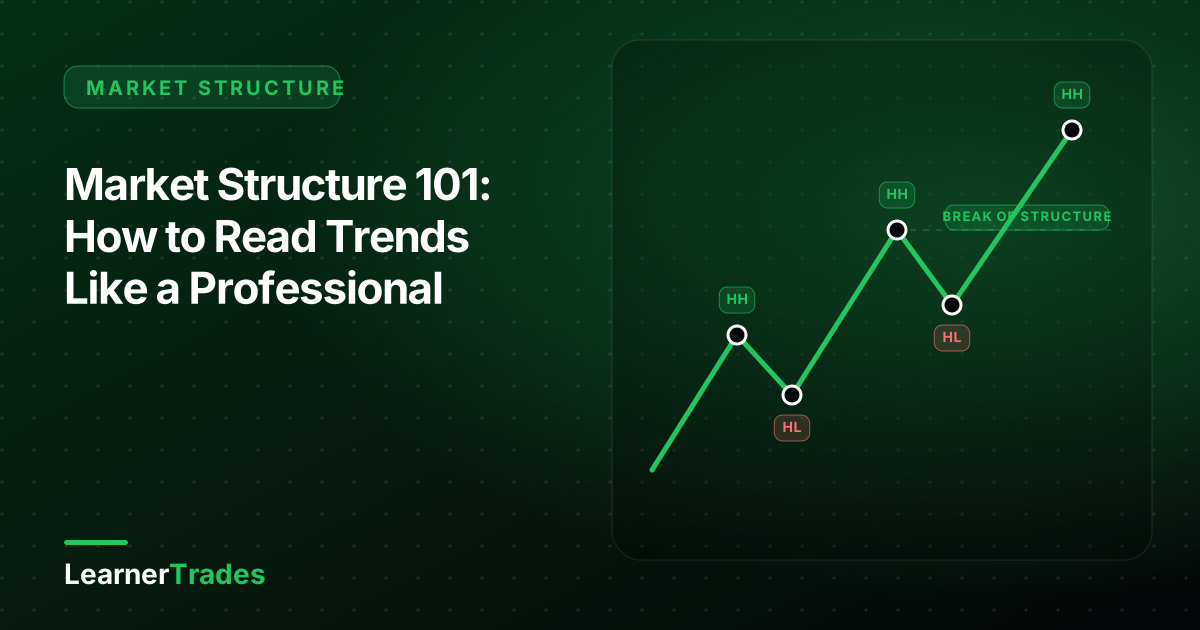
Before indicators, before patterns, there is structure. Learn how swing highs and lows define a trend, how to spot a genuine break of structure, and why most retail traders get the trend wrong.